Are you sure you know your spotted big cats? Many of us have seen striking images of leopards and jaguars, and easily confused them due to their similar patterned coats. But beyond the visual appeal, these magnificent felines are worlds apart. Mistaking one for the other isn't just a minor detail; it overlooks fascinating evolutionary paths, unique survival strategies, and distinct ecological roles. Understanding these differences is crucial for appreciating the true biodiversity of our planet and the incredible adaptations of these apex predators. Let's dive into what truly sets them apart.
Where the Wild Things Roam: A Continental Divide
The most fundamental difference lies in their ancestral homes. Leopards have conquered vast territories across Africa and pockets of Asia, from the grassy savannas to dense forests and even mountainous regions. They are true survivors, adaptable to a wide range of environments. In stark contrast, the jaguar reigns supreme solely in the Americas, with its heart beating strongest in the lush Amazon rainforest and other South American wildernesses.
The Art of the Spot: A Designer's Signature
Leopard's Rosettes: Subtle Elegance
Take a closer look at a leopard's coat. You'll notice its spots, known as rosettes, are typically smaller and often lack the distinct central dot. They form a more intricate, yet seemingly less crowded, pattern across its body. These are like the delicate brushstrokes of a master artist.
Jaguar's Rosettes: Bold and Complex
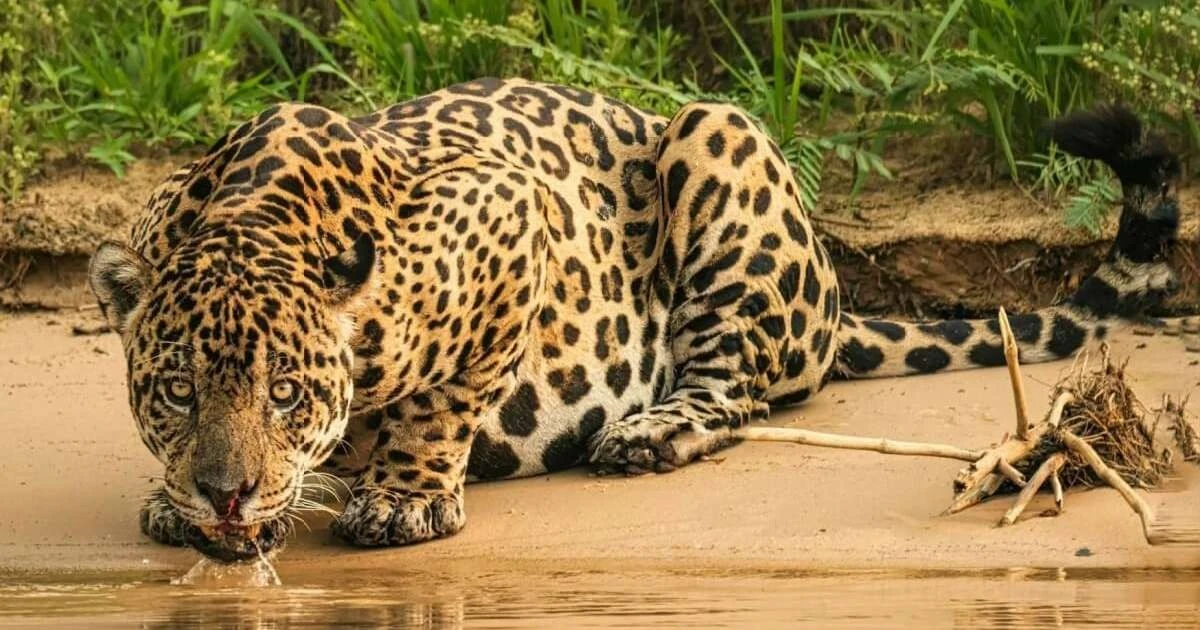
Now, shift your gaze to the jaguar. Its rosettes are noticeably larger and, here's the key differentiator, they frequently contain one or more black spots right in the center. This creates a much denser, more complex, and visually striking pattern. For zoologists, this central dot is often the most immediate clue, akin to spotting a hidden signature.
Built for Purpose: Size, Weight, and Strength
The Jaguar: A Powerhouse
When comparing raw power, jaguars tend to be the heavier and more robust of the two. They possess a stockier build, a broader chest, and exceptionally developed musculature. Think of them as the heavyweight champions of the feline world, built for raw, brute force.
The Leopard: Sleek and Agile
Leopards, on the other hand, present a more slender and elongated physique. They are lighter and often appear more agile. This graceful, lithe form suggests a creature optimized for speed and climbing, rather than sheer, crushing power.
The Bite That Matters: Crushing Power vs. Efficient Kill
Jaguar's Legendary Bite
Here's a fact that never ceases to amaze: the jaguar boasts the strongest bite force among all big cats, relative to its size. This incredible power allows it to pierce the skulls of its prey, and even famously break through the shells of turtles. It’s a bite designed for efficiency and dominance.
Leopard's Capable Bite
While a leopard's bite is certainly effective and crucial for its survival, it doesn't quite reach the same extreme levels of power as the jaguar's. It's a testament to how different hunting strategies necessitate different physical adaptations.
Masters of the Canopy vs. Ground Dwellers
The Leopard's Arboreal Prowess
Leopards are renowned for their exceptional climbing skills. They are so adept that they will often haul their kills up into the branches of trees to keep them safe from scavengers on the ground. It’s a survival tactic that speaks to their agility and planning.
The Jaguar's Terrestrial Preference
Jaguars are also capable climbers, but their lifestyle is far more terrestrial. They spend most of their time on the ground and are less inclined to drag their meals skyward. Their hunting strategies are more focused on ambushing prey in their dense jungle environment.
A Love Affair with Water
The Jaguar: The Aquatic Hunter
For jaguars, water is not an obstacle; it's an asset. They are strong swimmers, often found near or in rivers, lakes, and flooded areas. Many of their prey species are also water-dependent, making this affinity a significant advantage in their hunting repertoire. They are as comfortable in the water as they are on land.
The Leopard: Water-Wary
Leopards can swim when necessary, but they generally prefer to avoid water bodies. Their preferred territories are typically drier, and they don't actively seek out aquatic environments for hunting or any other purpose. They are creatures of the dry land.
Habitat Dependencies: Adaptability vs. Specificity
One striking difference is their reliance on specific environments. Leopards are the ultimate generalists, incredibly adaptable and capable of thriving in diverse habitats—from arid deserts and savannas to lush forests and even the fringes of urban areas. This adaptability is a key to their widespread distribution.
Jaguars, conversely, have a more specialized requirement. They depend heavily on intact, dense forests with readily available water sources. Tropical rainforests and thick jungle environments are their prime real estate. This specific need makes them more vulnerable to habitat destruction, a critical concern for their conservation.
So, next time you see a magnificent spotted cat, remember these key differences. It’s not just about spotting; it’s about understanding the incredible diversity of life and the unique stories each species tells.
What other animal comparisons have you found surprising?